Using folktales and other metaphoric stories can aid the healing process
Just as stories have the power to enrich our lives, shape the way we perceive and interact with the world, and reveal the wonders of the human spirit, so too can they play an important and potent role in therapy-helping people develop the skills to cope with and survive a myriad of life situations. 101 Healing Stories celebrates the rewards of using parables, fables, and metaphors in therapy as a nonthreatening means to help clients discuss problems and consider possible solutions.
George W.
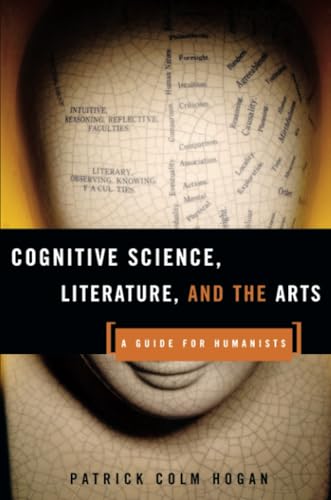
*Cognitive Science, Literature, and the Arts* is the first student-friendly introduction to the uses of cognitive science in the study of literature, written specifically for the non-scientist. Patrick Colm Hogan guides the reader through all of the major theories of cognitive science, focusing on those areas that are most important to fostering a new understanding of the production and reception of literature.
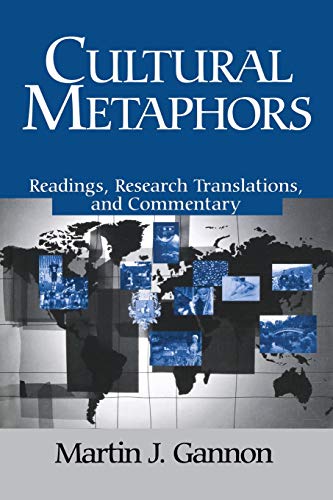
This outstanding volume offers students, researcher, and cross-cultural trainers the opportunity to gain an understanding of the use of metaphor, particularly the cultural metaphor of a nation, in developing an in-depth, culture-specific perspective. A nation’s cultural metaphor is any institution, phenomenon, or activity with which all or most citizens in a nation closely identify, for example, the Swedish stuga or French wine.
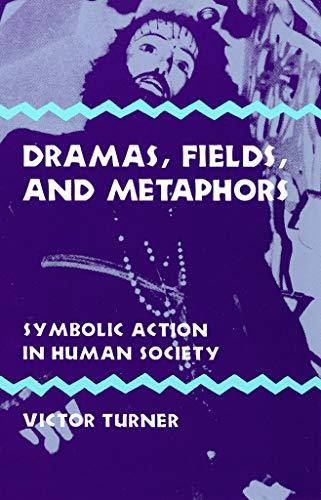
Victor Turner. Dramas, Fields, and Metaphors: Symbolic Action in Human Society (Symbol, Myth, & Ritual) .
In l978 Susan Sontag wrote Illness as Metaphor, a classic work described by Newsweek as "one of the most liberating books of its time." A cancer patient herself when she was writing the book, Sontag shows how the metaphors and myths surrounding certain illnesses, especially cancer, add greatly to the suffering of the patients and often inhibit them from seeking proper treatment. By demystifying the fantasies surrounding cancer, Sontag shows cancer for what it is - just a disease.
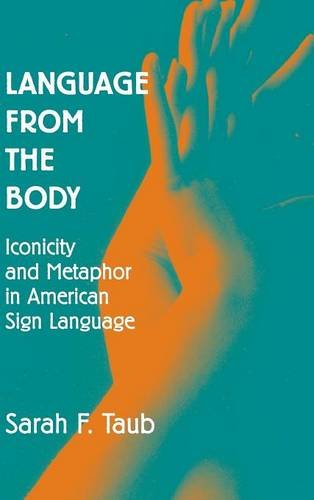
What is the role of meaning in linguistic theory? Generative linguists have severely limited its influence while cognitivist and functionalist linguists believe that meaning pervades and motivates all levels of linguistic structure. This dispute can now be resolved conclusively by evidence from signed language. Language from the Body rebuts the generativist linguistic theories that separate form and meaning and asserts that iconicity can only be described in a cognitivist framework where meaning can influence form.
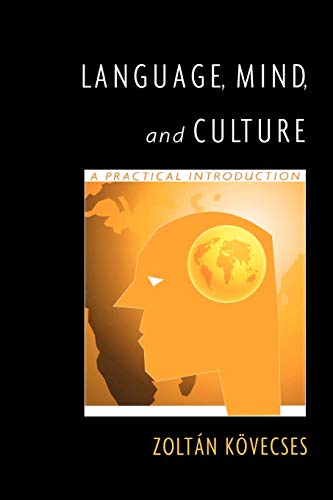
How do we make sense of our experience? In order to understand how we construct meaning, the varied and complex relationships among language, mind, and culture need to be understood. While cognitive linguists typically study the cognitive aspects of language, and linguistic anthropologists
typically study language and culture, Language, Mind, and Culture is the first book to combine all three and provide an account of meaning-making in language and culture by examining the many cognitive operations in this process.
Metaphor and Thought reflects the surge of interest in and research into the nature and function of metaphor in language and thought. Philosophers, psychologists, linguists, and educators raise serious questions about the viability of the traditional distinction between the literal and the metaphorical, discussing problems ranging from the definition of metaphor to its role in language acquistion, learning, scientific thinking, and the creation of social policy. In the second edition, the contributors have updated their original essays to reflect changes in their fields.
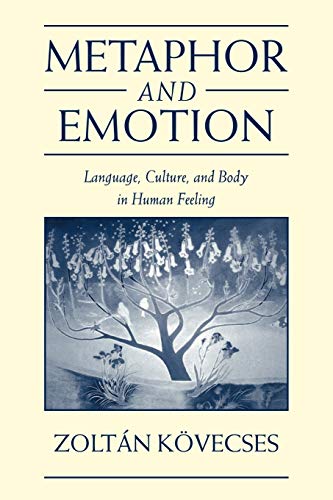
Many researchers claim that emotions arise either from human biology (i.e., biological reductionism) or as products of culture (i.e., social constructionism). Are human emotions best characterized as biological, psychological, or cultural entities?
Metaphor and Metonymy at the Crossroads is a collection of essays, most of them written from a cognitive linguistics standpoint by leading specialists in the fields of conceptual metaphor and metonymy, and conceptual integration (blending). The book has two main goals. One of them is to discuss in new, provocative ways the nature of these conceptual mappings in English and their interaction. The other goal is to explore by means of several detailed case studies the central role of these mappings in English.
This clear and lucid primer fills an important need by providing a comprehensive account of the many new developments in the study of metaphor over the last twenty years and their impact on our understanding of language, culture, and the mind. Beginning with Lakoff and Johnson's seminal work in Metaphors We Live By, Kovecses outlines the development of "the cognitive linguistic theory of metaphor" by explaining key ideas on metaphor.
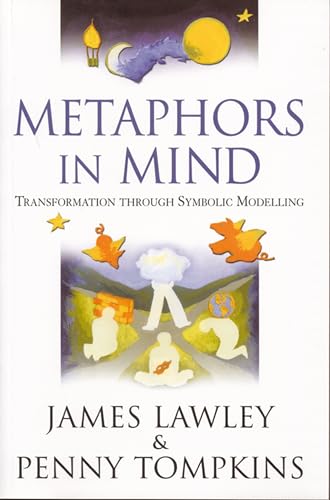
What do you do as a therapist, teacher, doctor or manager when your client, student, patient or colleague says "It's like I'm hitting my head against a brick wall," "I've got a knot in my stomach" or "I'm looking for the right path to take"?
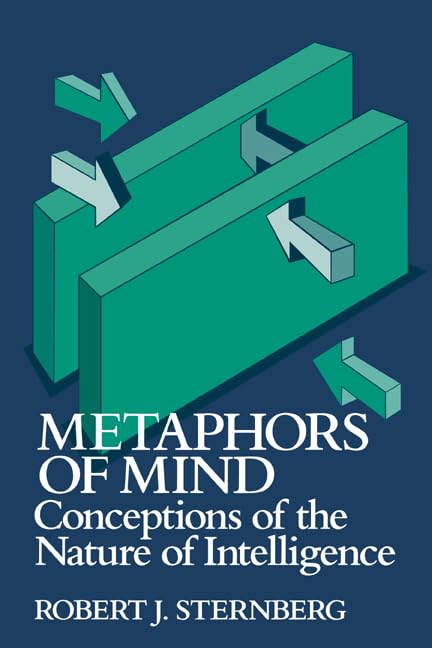
This text enables readers to understand human intelligence from a variety of standpoints, such as psychology, anthropology, computational science, sociology, and philosophy. Readers will gain a comprehensive understanding of the concept of intelligence and how ideas about it have evolved and are continuing to evolve.
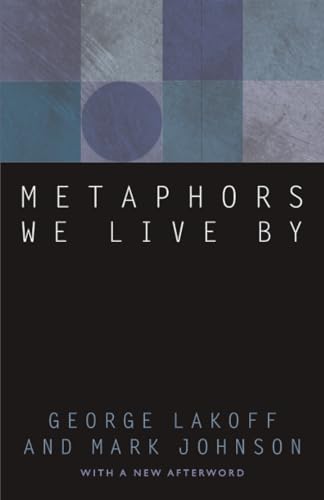
The now-classic *Metaphors We Live By* changed our understanding of metaphor and its role in language and the mind. Metaphor, the authors explain, is a fundamental mechanism of mind, one that allows us to use what we know about our physical and social experience to provide understanding of countless other subjects. Because such metaphors structure our most basic understandings of our experience, they are "metaphors we live by"--metaphors that can shape our perceptions and actions without our ever noticing them.
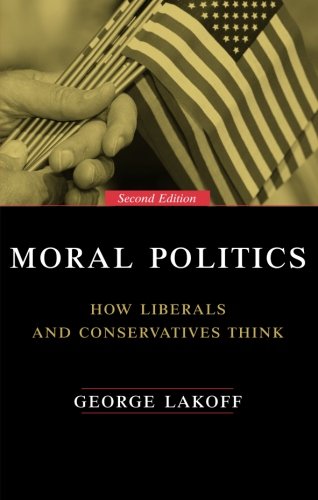
In this classic text, the first full-scale application of cognitive science to politics, George Lakoff analyzes the unconscious and rhetorical worldviews of liberals and conservatives, discovering radically different but remarkably consistent conceptions of morality on both the left and right. For this new edition, Lakoff adds a preface and an afterword extending his observations to major ideological conflicts since the book's original publication, from the impeachment of Bill Clinton to the 2000 presidential election and its aftermath.
"The authors restore metaphor to our lives by showing us that it's never gone away. We've merely been taught to talk as if it had: as though weather maps were more 'real' than the breath of autumn; as though, for that matter, Reason was really 'cool.' What we're saying whenever we say is a theme this book illumines for anyone attentive." -- Hugh Kenner, Johns Hopkins University
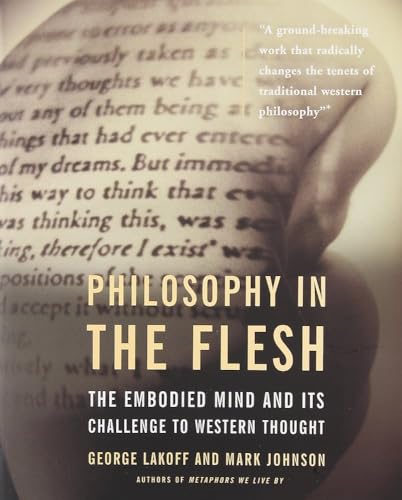
George Lakoff and Mark Johnson take on the daunting task of rebuilding Western philosophy in alignment with three fundamental lessons from cognitive science: The mind is inherently embodied, thought is mostly unconscious, and abstract concepts are largely metaphorical. Why so daunting?
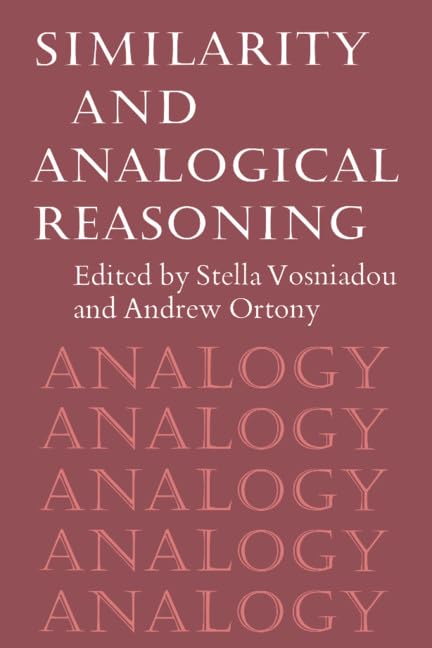
Similarity and analogy are fundamental in human cognition. They are crucial for recognition and classification, and have been associated with scientific discovery and creativity. Any adequate understanding of similarity and analogy requires the integration of theory and data from diverse domains. This interdisciplinary volume explores current development in research and theory from psychological, computational, and educational perspectives, and considers their implications for learning and instruction.
"There are books--few and far between--which carefully, delightfully, and genuinely turn your head inside out. This is one of them. It ranges over some central issues in Western philosophy and begins the long overdue job of giving us a radically new account of meaning, rationality, and objectivity."--Yaakov Garb, *San Francisco Chronicle*
"The Cognitive Structure of Emotions"--the first systematic, comprehensive, and computationally tractable account of the cognitions that underlie a broad spectrum of human emotions--will interest a wide audience in cognitive, clinical, and social psychology, as well as in artificial intelligence and other cognitive science disciplines.
We usually consider literary thinking to be peripheral and dispensable, an activity for specialists: poets, prophets, lunatics, and babysitters. Certainly we do not think it is the basis of the mind. We think of stories and parables from Aesop's Fables or The Thousand and One Nights, for example, as exotic tales set in strange lands, with spectacular images, talking animals, and fantastic plots--wonderful entertainments, often insightful, but well removed from logic and science, and entirely foreign to the world of everyday thought. But Mark Turner argues that this common wisdom is wrong.
Paul Ricoeur. The Rule of Metaphor (Routledge Classics) .
David Gordon. Therapeutic Metaphors: Helping Others Through the Looking Glass .
Rarely has a scholar attained such popular acclaim merely by doing what he does best and enjoys most. But such is Stephen Jay Gould's command of paleontology and evolutionary theory, and his gift for brilliant explication, that he has brought dust and dead bones to life, and developed an immense following for the seeming arcana of this field.
*“Kerr Inkson has made a really valuable contribution. A powerful illustration of how metaphor influences thinking about careers. The book shows how metaphor helps us to understand our own thought-patterns and predispositions and is very effective in integrating the different branches of career studies Very clear, and well argued. Right on the mark!”
*
\--Gareth Morgan, *Author, Images of Organization, Distinguished Research Professor, York* *University, Toronto*
If Barbie thinks math class is tough, what could she possibly think about math as a class of metaphorical thought?
"Its publication should be a major event for cognitive linguistics and should pose a major challenge for cognitive science. In addition, it should have repercussions in a variety of disciplines, ranging from anthropology and psychology to epistemology and the philosophy of science. . . . Lakoff asks: What do categories of language and thought reveal about the human mind? Offering both general theory and minute details, Lakoff shows that categories reveal a great deal."--David E. Leary, *American Scientist*